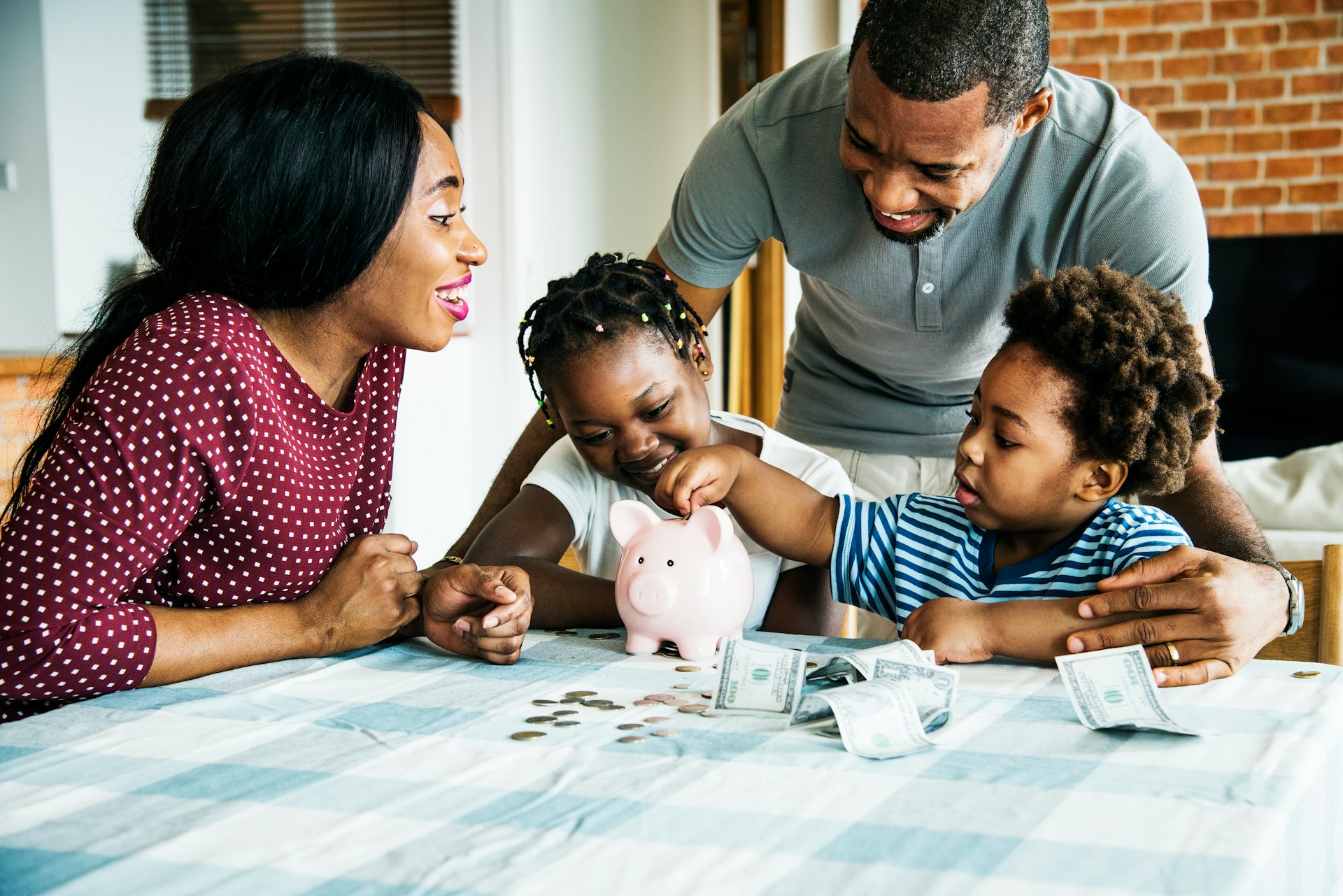
Money lessons for kids are an essential part of raising confident and responsible individuals. Financial understanding does not begin in adulthood; it starts in childhood through observation, conversation, and guided experience. When money concepts are introduced with patience and clarity, children develop healthy attitudes that support wise decision making throughout life. An educative approach focuses on understanding, reflection, and consistency rather than rules or pressure.
Teaching money lessons for kids is most effective when learning is connected to real situations. Children learn best when ideas are meaningful and repeated naturally. Everyday moments provide valuable opportunities to explain how money works and why thoughtful choices matter. Over time, these lessons become part of a child’s understanding of the world.
Money Lessons for Kids and the Meaning of Money
Money lessons for kids begin with helping children understand what money represents. Money is a tool that allows people to exchange effort for goods and services. When children understand this connection, they begin to respect the value of money rather than seeing it as something abstract.
Explaining money in simple language helps remove confusion. Children can learn that money is earned through work and used to meet needs and enjoy comforts. When adults calmly explain why money is spent in certain ways, children start to understand planning and prioritization. These early discussions create a strong foundation for later financial learning.
An educative tone emphasizes understanding rather than instruction. Encouraging children to ask questions about money builds curiosity and confidence. When children feel safe exploring these ideas, learning becomes deeper and more lasting.
Money Lessons for Kids and Learning to Save
Saving is a central part of money lessons for kids because it teaches patience and foresight. Children often focus on immediate satisfaction, so saving helps them understand the value of waiting for a future reward. When saving is presented as a positive choice, children are more willing to practice it.
An effective way to teach saving is by connecting it to clear goals. When children save for something meaningful, the process feels purposeful. Adults can explain that saving is a way of caring for future needs and desires. This understanding helps children develop self control and planning skills.
Money lessons for kids related to saving also teach emotional regulation. Children learn that they can manage impulses and make thoughtful decisions. These skills extend beyond money and support growth in many areas of life.
Money Lessons for Kids and Thoughtful Spending
Spending is where money lessons for kids become practical and visible. Each spending choice reflects a decision, and children benefit from understanding that choices have outcomes. Teaching children that money is limited encourages thoughtful consideration before spending.
Allowing children to make small spending decisions supports learning through experience. When children choose how to use their money, they gain insight into value and consequence. Sometimes choices bring satisfaction, and sometimes they bring regret. Both experiences are important teachers when guided with calm discussion.
An educative approach avoids judgment and focuses on reflection. Asking children how they feel about a purchase helps them evaluate their decisions. Over time, money lessons for kids around spending build confidence and responsibility.
Money Lessons for Kids and Earning Responsibility
Understanding that money is earned strengthens many money lessons for kids. When children connect effort with reward, they develop respect for work and responsibility. Simple tasks and contributions teach that money represents time and energy.
Adults can explain that earning money is one way people support themselves and others. This lesson helps children appreciate what they have and reduces entitlement. Earning also builds pride and independence, which are important emotional benefits.
Money lessons for kids about earning should focus on learning rather than pressure. The goal is to help children understand effort, not to create obligation. When explained thoughtfully, earning becomes a positive and empowering concept.
Money Lessons for Kids and Values of Sharing
Money lessons for kids are not complete without discussing values. Sharing and generosity help children understand that money can be used to support others. Teaching children that money has social impact builds empathy and compassion.
Children can learn that giving does not require large amounts. Small acts of kindness show that money can be used thoughtfully. Discussing why sharing matters helps children connect money to values rather than just possessions.
An educative tone highlights purpose and meaning. When children understand that money can help create positive change, they develop a balanced and ethical view of finances.
Money Lessons for Kids Through Guidance and Example
Children learn money lessons not only through instruction but through observation. Adults serve as powerful examples in daily life. When parents and caregivers demonstrate thoughtful money habits, children naturally absorb these behaviors.
Talking openly about decisions, planning, and saving shows children that money management is a normal part of life. Calm and honest explanations reduce anxiety and build trust. These moments reinforce lessons in a natural and lasting way.
Money lessons for kids are most successful when they are consistent and supportive. Repetition through daily life strengthens understanding and confidence.
Money Lessons for Kids and Lifelong Confidence
The purpose of teaching money lessons for kids is to build understanding, confidence, and healthy habits. Financial education in childhood is not about mastery but about comfort and awareness. When children grow up understanding money, they feel prepared rather than overwhelmed.
An educative approach focuses on growth and learning. Children are encouraged to think, ask, and reflect. Mistakes are treated as learning opportunities, not failures. This mindset supports resilience and confidence.
Money lessons for kids, when taught with care and clarity, prepare children for a future of thoughtful decision making. Through everyday learning and positive guidance, children develop a healthy relationship with money that supports them throughout life.