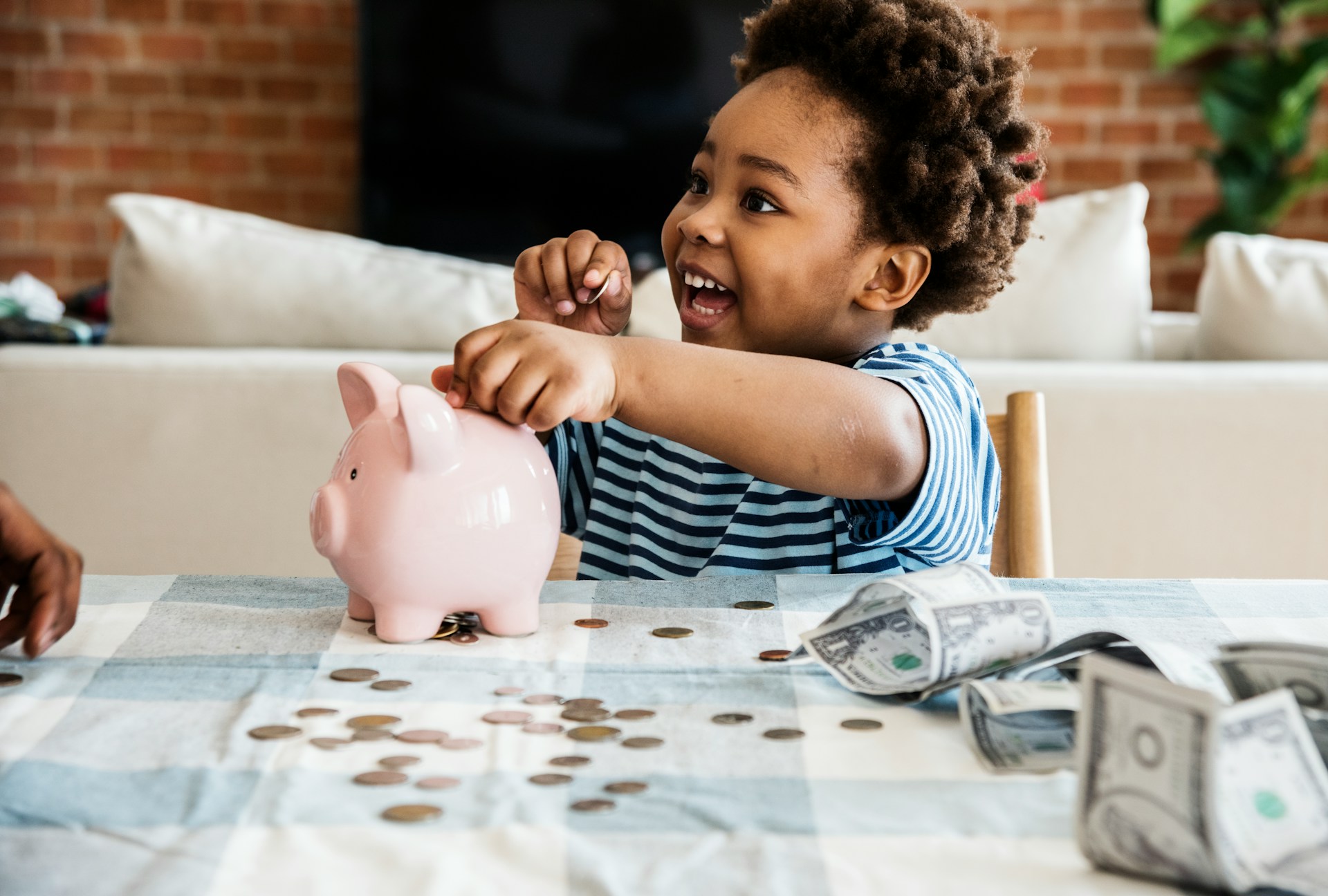
Money lessons for kids play a vital role in shaping responsible and confident adults. Financial habits often develop early in life, so childhood is the ideal time to provide clear, structured guidance on money. When children understand how money works, they gain essential life skills that influence their decisions for years to come.
An educative approach to money lessons for kids focuses on clarity, consistency, and real-life application. Children should learn that money is earned through effort, managed with care, and used with intention. These foundational ideas reduce confusion and build a sense of responsibility. Rather than avoiding financial discussions, parents and educators should present them as normal and important conversations.
Children observe how adults handle financial matters. They see purchases being made and services being paid for, yet they may not understand the process behind these actions. Teaching kids about money helps bridge that gap. It ensures children recognize the connection between work, income, and thoughtful spending.
Financial education also supports emotional development. Children who understand budgeting and saving are less likely to feel anxious about money later in life. Knowledge replaces uncertainty, and structured guidance fosters confidence.
Establishing Strong Foundations Through Everyday Teaching
Effective money lessons for kids do not require complex systems. They begin with simple explanations and daily experiences. Educators and parents can use ordinary routines as teaching opportunities. For example, grocery shopping can demonstrate price comparison and thoughtful decision-making. Discussing why one product is chosen over another introduces the concept of value.
Providing children with a modest allowance can serve as a practical learning tool. When managed properly, allowance teaches responsibility and accountability. Children can practice allocating money toward saving, spending, and giving. This hands-on experience reinforces financial concepts more effectively than lectures alone.
It is also important to teach children the principle of earning. Money lessons for kids should clearly explain that income results from contributing effort or providing a service. Whether children assist with household responsibilities or pursue small entrepreneurial activities, they benefit from understanding the relationship between work and reward.
Saving should be presented as a purposeful habit rather than a restriction. Encouraging children to set meaningful goals helps them appreciate delayed gratification. When they see progress toward something they value, they learn patience and planning. This lesson extends far beyond finances and influences other areas of life.
Teaching Wise Spending and Thoughtful Choices
An essential part of money lessons for kids involves guiding them toward wise spending decisions. Children must learn the difference between necessities and discretionary purchases. This distinction helps them prioritize effectively and avoid impulsive choices.
Educators should encourage reflection before spending. Asking questions about usefulness, long-term satisfaction, and alternatives helps children evaluate decisions carefully. Over time, this practice strengthens critical thinking skills. Children begin to understand that every purchase involves trade-offs.
Another important aspect of money lessons for kids is understanding consequences. If a child spends all available funds on one item, the result may be an inability to purchase anything else later. Experiencing these outcomes in a controlled environment teaches responsibility without severe consequences. Guided discussions following such experiences reinforce learning.
Teaching generosity further enriches financial education. Encouraging children to set aside a portion of their money to help others promotes empathy and social awareness. Money lessons for kids should emphasize that financial resources can create positive change. This balanced perspective nurtures both responsibility and compassion.
Budgeting can be introduced in a straightforward manner. Dividing money into clear categories for saving, spending, and giving provides structure. This method helps children visualize balance and understand limits. Consistent practice strengthens organizational skills and prepares them for future financial independence.
Strengthening Financial Confidence Over Time
Money lessons for kids should evolve as children mature. Early education may focus on identifying coins and understanding simple exchanges. As children grow, discussions can expand to include banking, digital transactions, and long-term financial planning. Each stage builds upon the previous one, reinforcing knowledge and confidence.
Parents and teachers play a crucial role as role models. Demonstrating careful budgeting, thoughtful purchasing, and consistent saving reinforces formal lessons. Children often imitate observed behaviors, which makes positive modeling an essential component of financial education.
Open communication is equally important. Children should feel comfortable asking questions about money without fear of criticism. Honest and calm discussions foster trust and clarity. When mistakes occur, they should be treated as learning opportunities rather than failures. This approach encourages growth and resilience.
Technology also offers valuable teaching opportunities. Since modern financial systems rely heavily on electronic payments, children should understand how digital transactions function. Explaining how money moves between accounts and discussing online safety prepares them for contemporary financial environments.
The ultimate goal of money lessons for kids is to develop independent thinkers who approach finances with confidence and responsibility. Financial literacy is not limited to understanding currency. It encompasses planning, evaluating choices, and acting with intention. When children learn these principles early, they are better prepared to navigate complex financial situations in adulthood.
Consistent education, practical application, and positive reinforcement create a strong foundation. Money lessons for kids are most effective when integrated into daily life and supported by clear explanations. By approaching financial education with patience and structure, parents and educators empower children with skills that support long-term stability and success.
Through thoughtful guidance, children learn that money is a tool that requires care and planning. Equipped with knowledge and experience, they gain the confidence to make informed decisions and build a secure future.