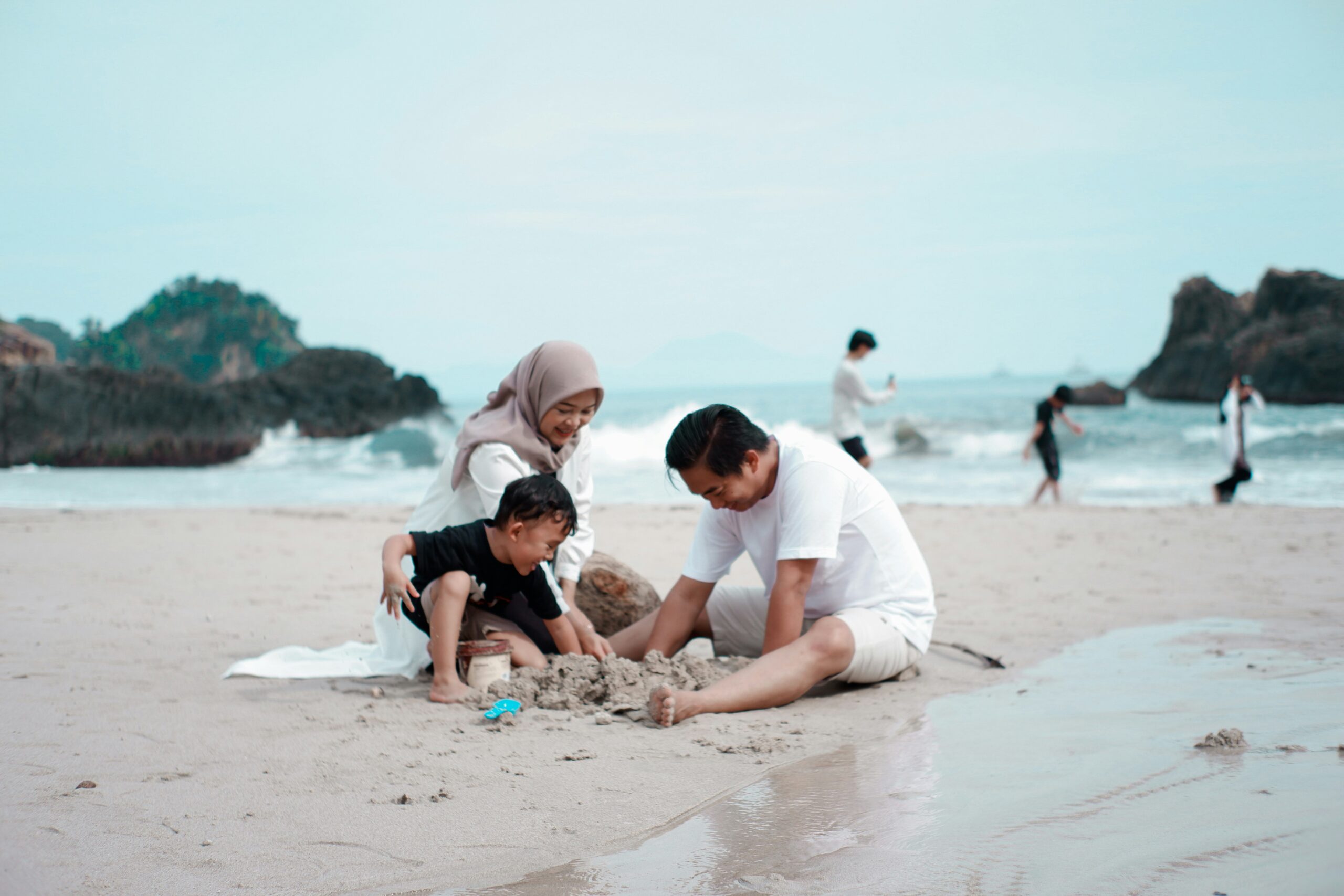
Family time should feel enjoyable, not expensive. Many families want to create strong memories together, but high costs can make outings stressful. The good news is that meaningful activities do not depend on how much money you spend. Simple choices often lead to better experiences.
Smart spending can help families enjoy more time together without hurting the household budget. It also makes planning easier. When parents focus on value, they can create fun moments while still meeting other financial needs. The goal is not to avoid spending. The goal is to spend with purpose.
Plan Family Activities Before Spending
Good planning can prevent many unnecessary costs. Families often spend more when they make last-minute decisions. A rushed outing can lead to expensive meals, impulse purchases, parking fees, and other unexpected costs. A simple plan can help avoid these problems.
Parents can decide how much they want to spend before choosing an activity. They can compare several options and select one that fits the budget. Planning also gives families time to prepare food, check admission costs, and look for lower-cost options. This small habit can make every outing feel more relaxed.
Focus on Experiences That Bring Everyone Together
The best family activities encourage people to talk, participate, and enjoy each other’s company. Expensive entertainment can be fun, but it does not always create a stronger connection. A simple picnic or walk can feel more meaningful when everyone is involved.
Families should think about what each person enjoys. Some may prefer outdoor activities, while others may like games, crafts, or cooking. Choosing activities based on shared interests often gives better value. Everyone is more likely to enjoy the time, and parents are less likely to spend money on something that creates little interest.
Choose Affordable Local Options
Families do not need to travel far to find enjoyable activities. Local parks, libraries, public gardens, community centers, and neighborhood events can provide plenty of entertainment. Many of these places have free entry or very low fees.
Exploring local areas can also make planning easier. Travel costs stay low, and families spend less time getting to the destination. A short trip may also feel less tiring, especially with young children. Local activities can become regular family traditions because they are easy to repeat.
Prepare Food and Drinks at Home
Food can become one of the highest costs during family outings. Buying snacks, drinks, and meals for several people can quickly increase the total expense. Preparing food at home is a simple way to keep spending under control.
Families can pack sandwiches, fruit, water, and homemade snacks before leaving. Children can help prepare the food, which adds another shared activity to the day. A packed picnic can also make an outing feel more personal. It gives the family more control over the budget and reduces the need for impulse purchases.
Use Free Days and Special Offers
Many attractions offer discounts at certain times. Museums, zoos, activity centers, and local events may have free admission days or reduced family rates. Checking these details before visiting can save a noticeable amount of money.
Families can also look for seasonal offers and community discounts. The key is to avoid buying something simply because it is on sale. A discount only creates value when the family already wants the activity. Smart spending means using offers to reduce the cost of a good choice, not using them as a reason to spend more.
Create More Entertainment at Home
Home can become a great place for family activities. A game night, cooking session, craft project, or indoor movie evening can provide hours of enjoyment. These activities often use items the family already owns.
Parents can make home activities feel special with a little creativity. They might let children choose a theme, prepare favorite snacks, or rearrange the room for the event. Small changes can make a regular evening feel different. This gives families more entertainment without adding major costs.
Borrow Instead of Buying New Items
Families often buy games, books, equipment, or supplies for activities that they only use once. Borrowing can be a smarter choice. Libraries, friends, relatives, and community programs may offer many useful items.
Borrowing also gives families a chance to try new activities before spending money. A child may lose interest in a hobby after a short time. Trying borrowed equipment first can prevent waste. If the family continues to enjoy the activity, then buying the item may make more sense later.
Set a Simple Family Fun Budget
A family-fun budget sets a clear limit for entertainment spending. Parents can decide how much money they want to use each week or month. This makes it easier to choose between different activities.
The budget does not need to be strict or complicated. It simply provides direction. Families can save part of the budget for a larger outing or use smaller amounts for several activities. When everyone understands the limit, it becomes easier to make choices without stress.
Let Children Take Part in Planning
Children can learn useful money habits when parents include them in simple planning. Parents can explain that the family has a certain amount available for an activity. Then everyone can discuss different ways to use it.
This can teach children that spending involves choices. They may learn that one expensive outing can cost the same as several smaller activities. These conversations can also help children understand why families compare prices and make plans before buying.
Avoid Spending to Impress Others
Family activities should match the family’s needs, not outside expectations. Social media can make expensive trips, restaurants, and events look necessary. This can create pressure to spend more than planned.
Every family has different priorities and financial limits. A simple activity can be just as meaningful as a costly one. Parents can focus on what makes their own family happy. This helps keep spending realistic and reduces pressure to compete with others.
Look for Activities With Long-Term Value
Some family activities offer benefits beyond entertainment. Cooking together teaches practical skills. Gardening encourages responsibility. Reading supports learning. Hiking can improve fitness and help children appreciate nature.
Activities with several benefits often provide strong value for the money spent. A small purchase, such as basic art supplies or gardening tools, may support many future activities. Families can think about how often they will use something before buying it. This can help them choose purchases that continue to provide value.
Make Simple Celebrations Feel Personal
Birthdays, holidays, and family milestones can become expensive very quickly. Decorations, food, gifts, and entertainment can add pressure to the budget. A smaller celebration can still feel meaningful when it includes personal details.
Families can prepare favorite meals, make decorations together, and create simple traditions. Handwritten messages, homemade desserts, and shared activities often feel more personal than expensive extras. The emotional value of a celebration comes from attention and care, not the total amount spent.
Review What Your Family Enjoys Most
After an activity, families can talk about what they enjoyed. This helps parents understand which experiences provide the most value. An expensive event may receive less excitement than a simple afternoon at the park.
These conversations can improve future planning. Families can spend less on activities that do not provide much enjoyment and focus more on those everyone enjoys. Over time, this helps build a family routine that is both affordable and meaningful.
Protect the Quality of Family Time
Money can support an experience, but attention makes it meaningful. A family can spend very little and still create a strong memory if everyone is engaged. Phones, work messages, and other distractions can reduce the value of the time together.
Parents can create short periods where everyone focuses on the activity. This may mean putting phones away during dinner, games, or outings. When family members listen and participate, simple moments can feel important. That connection often becomes the part people remember most.