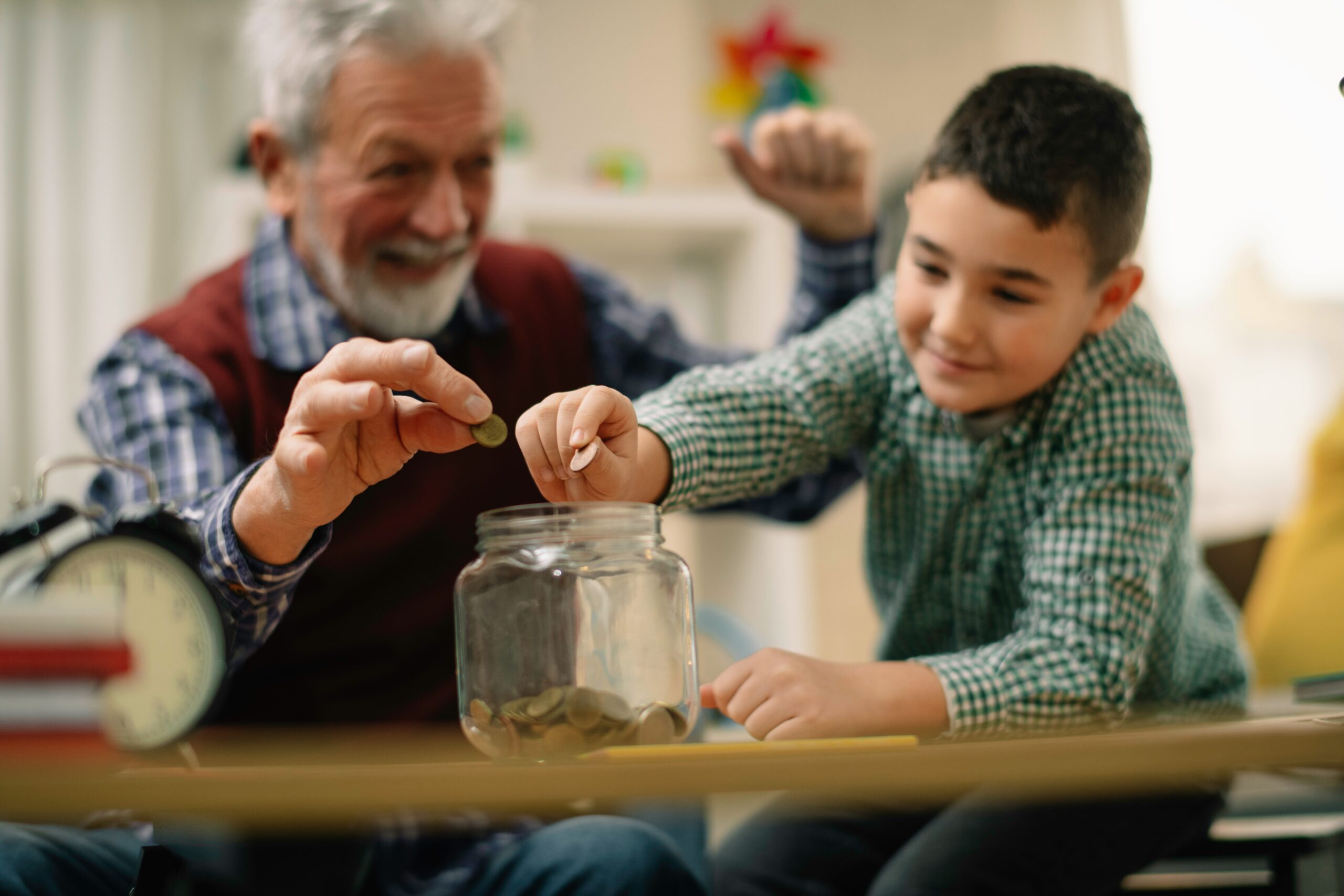
Money lessons for kids can shape the way children think, plan, and make choices for the rest of their lives. When kids learn about saving, spending, earning, giving, and budgeting early, they gain more than basic math skills. They also build patience, self-control, and confidence. Many adults feel financial stress because they did not learn these habits as children. However, parents can change that by making money talks at home simple, positive, and practical. With the right approach, money lessons for kids can become part of daily life through chores, games, shopping, goal setting, and family conversations.
Why Money Confidence Should Start Early
Children notice money long before they fully understand it. They see parents use cards, phones, cash, and online payments. They also hear adults talk about bills, groceries, work, and prices. Because of this, early money lessons for kids help them connect what they see with what money really means. Instead of thinking money appears whenever someone wants something, they begin to understand that money comes from work, planning, and careful choices.
Early lessons also reduce fear and confusion. When parents avoid money talks, children may create their own ideas about spending and saving. However, simple conversations can help them feel more secure. For example, a parent can explain why the family compares prices, waits for sales, or saves for big purchases. As a result, kids learn that money is a useful tool, not a source of shame or stress.
Teach the Difference Between Needs and Wants
One of the most important money lessons for kids is the difference between needs and wants. Needs include things people must have, such as food, housing, clothing, and basic school supplies. Wants include things that make life more fun, such as toys, candy, games, or special outings. When children understand this difference, they can make better choices with less frustration.
Parents can teach this idea during regular activities. For instance, while shopping, ask your child whether an item is a need or a want. Then, explain that families should pay for needs first and plan for wants later. This does not mean wants are bad. Instead, it shows kids that timing and balance matter. Over time, this lesson helps children think before they spend.
Use Allowance to Build Responsibility
Allowance can help children safely practice money management. Even a small amount gives kids a chance to make choices, learn from mistakes, and feel proud of good decisions. However, parents should explain clear rules. Some families connect allowance to chores, while others give a set amount to teach budgeting. Either method can work as long as the goal stays clear.
The key is consistency. If children receive allowance regularly, they learn how to plan for the week or month. They may spend everything right away at first. However, that mistake can teach a valuable lesson. Instead of giving extra money, parents can guide them with questions. For example, ask what they might do differently next time. This approach builds responsibility without shame.
Make Saving Visual and Exciting
Saving can feel boring to children when they cannot see progress. Therefore, visual tools work well. A clear jar, colorful chart, or goal tracker can show money growing over time. When kids watch their savings increase, they feel motivated to keep going. This turns saving into a fun challenge instead of a rule.
Parents can help children choose a goal that matters to them. It might be a book, a toy, a bike, or a special day out. Then, break the goal into small steps. Each time the child adds money, mark the progress. In addition, celebrate effort along the way. This teaches patience and helps kids understand that steady action can lead to real rewards.
Turn Shopping Trips Into Real-Life Lessons
Shopping trips offer natural money lessons for kids because they show prices, choices, and trade-offs in real time. Before going to the store, parents can create a simple list and set a spending limit. Then, children can help find items that fit the budget. This activity teaches planning and decision-making without feeling like a classroom lesson.
At the store, ask your child to compare two similar products. They can look at price, size, and quality. For example, one cereal box may cost less, while another may offer more servings. As a result, children learn that the cheapest option is not always the best value. These small lessons can improve both math skills and financial judgment.
Talk About Mistakes Without Shame
Children will make money mistakes, and those mistakes can become powerful money lessons. A child may spend all their allowance on a toy that breaks quickly. Another may regret buying candy instead of saving for a bigger goal. These moments can feel disappointing, but they also teach judgment and patience.
Parents should respond with calm guidance. Instead of saying, “I told you so,” ask what the child learned. Then, talk about how they can make a better choice next time. This builds confidence because children learn that mistakes are part of the growth process. They also learn that money decisions can improve with practice.
Build Digital Money Awareness
Today’s children often see adults pay with cards, apps, and phones. Because digital payments can feel invisible, kids may not realize that real money is leaving an account. Therefore, digital money awareness should become part of modern money lessons for kids. Parents can explain that a card or app connects to money that someone earned and saved.
Families can also set clear rules for online purchases. Children should know that they must ask permission before buying games, apps, or items online. In addition, parents can teach basic safety, such as protecting passwords and avoiding unknown websites. These lessons help children become safer and smarter in a digital world.
Use Stories and Games to Keep Learning Fun
Stories and games can make financial ideas easier for children to understand. Books about saving, sharing, work, and goals help kids see money choices through characters. After reading, parents can ask simple questions about what the character did well and what they could have done better. This keeps the lesson active and thoughtful.
Games also help children practice without pressure. Board games, pretend stores, and homemade money games can teach counting, trading, saving, and planning. Because children enjoy play, they often absorb lessons faster. Moreover, games foster a positive attitude toward money learning, which can support confidence over time.
Make Money Talks a Normal Part of Life
The best money lessons for kids happen often, not just once. Parents can talk about money in small, calm moments throughout the week. For example, they can explain why they pack lunch, compare prices, save electricity, or wait before buying something. These daily examples show children how real financial choices work.
The tone matters. Money talks should feel honest but not scary. Children do not need adult worries, yet they do need age-appropriate truth. When parents speak about money with patience and confidence, kids learn to do the same. Over time, regular conversations help children build strong habits and a healthy mindset.
Money lessons for kids help children build lifelong confidence by teaching more than dollars and cents. They teach patience, planning, responsibility, generosity, and smart decision-making. Parents can begin with simple activities, such as saving jars, allowance, shopping trips, chores, stories, and family budgets. In addition, calm conversations help children see money as a tool they can learn to manage. When kids practice these skills early, they become more prepared for future choices. Most importantly, they grow up knowing that good money habits can help them reach goals, handle mistakes, and make confident decisions.